

New Construction · Colorado Front Range
Buying new should feel exciting.
The decisions still deserve scrutiny.
The Thayer Group provides specialized buyer representation for new construction homes throughout the Denver metro, Douglas County and Colorado's Front Range. We help buyers compare builders and communities, analyze incentives and financing, evaluate lots and floor plans, understand the true cost beyond the advertised base price, navigate builder contracts and construction milestones, and coordinate the purchase through inspections, walkthroughs and closing.
Specialized New-Home Representation
The model home is the easy part.
New construction introduces decisions that rarely appear in the same form in a resale purchase. The transaction can involve builder-specific contracts, larger deposits, lot premiums, structural options, design-center selections, preferred-lender incentives, construction schedules, community buildout plans, metropolitan districts and builder warranty programs.
Our job is to help you see the entire decision before focusing on the finishes. We compare the home with alternatives inside and outside the community, evaluate the financial package, identify questions that should be answered before contract, and remain involved as the home moves from reservation or purchase agreement to closing.
01
Builder & Community Comparison
Compare builders, neighborhoods, master-planned communities, amenities, development phases, available inventory and long-term community plans rather than evaluating each model home in isolation.
02
Incentive & Financing Analysis
Evaluate mortgage-rate buydowns, closing-cost credits, preferred-lender offers and other promotions alongside interest rate, loan fees, cash requirements and the home's purchase price.
03
Lot & Floor-Plan Strategy
Assess lot premiums, orientation, grade, drainage, nearby roads, future development, adjacent uses, views, outdoor space and how the selected floor plan actually fits the homesite.
04
Contract & Deposit Guidance
Help you understand the practical implications of deadlines, deposits, financing requirements, change orders, selections and other transaction terms, with legal questions referred to qualified counsel when appropriate.
05
Upgrade & All-In Cost Analysis
Keep the advertised base price in context as structural options, design selections, lot premiums and post-closing necessities are added to the total investment.
06
Inspections, Walkthrough & Closing
Help coordinate appropriate independent inspections when permitted, construction walkthroughs, punch-list items, closing preparation and the transition into the builder's warranty process.
Buying New Construction in Colorado
The house is only one part of the due diligence.
Colorado new-home buyers should look beyond bedrooms, finishes and incentives. The land beneath the home, the taxing entities surrounding it, the community's governance structure and the property's eventual operating costs can all influence the ownership experience.
Colorado Consideration 01
Metropolitan districts and property taxes
Many Colorado new-home communities are located within metropolitan districts that can finance and provide public infrastructure and services. Colorado has specific disclosure requirements involving metropolitan districts and estimated property-tax information for purchasers of qualifying newly constructed residences. We help buyers identify the applicable taxing entities and understand that the tax structure can differ meaningfully from one community to another.
Colorado Consideration 02
Today's tax bill may not reflect tomorrow's completed home
Property-tax records for a new home can require extra context. During construction, an assessor's record may reflect land or a partially completed improvement rather than the finished residence. Buyers should avoid assuming that a prior tax amount shown for the property necessarily represents the future tax obligation once the home is completed and fully assessed.
Colorado Consideration 03
Expansive soils and foundation design
The Colorado Geological Survey identifies expansive or swelling soil as a major geologic hazard in the state. Conditions vary by location and homesite. Buyers should review available soils information, geotechnical documentation, foundation design and builder disclosures rather than assuming a newly built home eliminates geologic risk.
Colorado Consideration 04
Radon still matters in a brand-new home
New construction does not eliminate radon risk. The Colorado Department of Public Health and Environment reports that about half of Colorado homes have radon levels above the EPA's recommended action level. Buyers should consider testing and understand whether the home includes a passive or active mitigation system.
Colorado Consideration 05
HOA and community governance
A homeowners association and a metropolitan district are not the same thing, and a property may be affected by one, both or neither. Review applicable declarations, rules, current dues, budgets, services, design restrictions and other governing documents to understand the obligations attached to ownership.
Colorado Consideration 06
The homesite deserves its own analysis
Lot selection can affect more than the view. Consider grading, drainage, retaining conditions, driveway slope, snow and sun exposure, wind, neighboring lots, planned roads, future phases and undeveloped land nearby. A premium lot should be evaluated for the qualities it actually delivers.
Beyond the Base Price
What will the home actually cost?
A builder's advertised starting price is useful, but it may describe a version of the home that differs substantially from the model you toured. We help buyers build an all-in view of the transaction before optional selections and incentives obscure the comparison.
The New Construction Buying Process
From first community tour to closing day.
A quick move-in home may compress this process considerably, while a to-be-built home may unfold over many months. Builder procedures and contract terms vary, but these are the major decisions most buyers should expect.
STEP 01
Define the Buying Strategy
Establish budget, financing, timing, preferred locations and the features that are genuinely important before touring model homes.
STEP 02
Compare Communities
Evaluate builders, plans, amenities, taxes, district structures, HOA obligations, schools, commute patterns and future development.
STEP 03
Select the Home & Lot
Compare available quick move-in homes or pair a floor plan with an appropriate homesite and understand any lot premium.
STEP 04
Evaluate the Contract
Review purchase price, deposits, financing provisions, deadlines, construction expectations, selections and other builder-specific terms before committing.
STEP 05
Make Structural Selections
For a to-be-built home, early decisions may affect layout, mechanical systems and other features that cannot easily be changed later.
STEP 06
Complete Design Selections
Establish a disciplined upgrade budget and distinguish choices based on personal preference from those that may influence functionality or future marketability.
STEP 07
Monitor Construction & Inspect
Follow builder milestones and coordinate permitted independent inspections and walkthroughs at appropriate stages.
STEP 08
Final Walkthrough & Closing
Review remaining completion items, prepare financing and closing requirements, take possession and understand the builder's warranty service process.
Independent Inspections
Brand new does not mean inspection-free.
Colorado's Division of Real Estate recommends professional home inspections as part of the buying process. New construction is built through many stages, trades and inspections, but an independent inspector works for the buyer. Inspection access and timing depend on the builder and contract, so the conversation should happen early.
Pre-Drywall Inspection
When permitted, an inspection before drywall can provide access to components that will later be concealed. Availability and timing vary by builder.
Final Independent Inspection
A buyer's inspector can evaluate the completed home's accessible systems and components before closing, subject to contract and builder access requirements.
Builder Walkthrough
The builder's orientation or walkthrough is an opportunity to review the home, document completion items and learn how systems and warranty service procedures work.
Warranty-Period Review
Builder warranty terms vary. When a time-limited warranty applies, some owners choose to conduct another inspection before an applicable warranty period expires so concerns can be documented and submitted according to the builder's process.
Specialized Evaluation
Depending on the property and location, buyers may also consider radon testing or other specialized inspections recommended by qualified professionals.
Understanding Builder Incentives
The biggest incentive is not always the best deal.
Builders may use financing, closing-cost and upgrade incentives to influence demand for particular homes or communities. The useful question is how the complete package compares after accounting for price, interest rate, loan costs, cash needed at closing and your expected ownership horizon.
Mortgage-Rate Buydowns
A lower advertised mortgage rate may provide significant value, but understand whether the reduction is permanent or temporary and how the loan's other costs compare.
Closing-Cost Credits
Builder or lender credits may reduce the cash required at closing, subject to loan-program limitations and the terms of the offer.
Preferred-Lender Offers
Incentives may be conditioned on using an affiliated or preferred lender. Compare the complete loan estimate rather than evaluating the incentive in isolation.
Upgrade Allowances
A design credit can be useful when the options are things you would have selected anyway. Keep the final purchase price and appraisal implications in view as upgrades accumulate.
Quick Move-In Pricing
Completed or nearly completed inventory can sometimes be positioned differently from a future build because the builder has already selected the lot, structure and finishes.
Compare Net Economics
We help organize competing offers so you can compare the effective financing, cash requirements and home price instead of simply choosing the promotion with the largest headline number.
Choose Your Path
Quick move-in or build from the ground up?
Both are new construction, but the buying experience can be very different.
Option One
Quick Move-In Home
A completed or under-construction inventory home can offer a more defined price, finish package and timeline.
- Shorter path to closing
- You can evaluate the actual lot and often the actual home
- Fewer or no remaining design decisions
- Builder may have already chosen upgrades and finishes
- Useful for buyers with a firmer move timeline
Option Two
To-Be-Built Home
Building earlier in the process may provide more control over the homesite, structural configuration and available selections.
- More opportunities for personalization
- Longer and potentially less predictable timeline
- More decisions that can increase the final price
- Deposits may increase as options are selected
- Construction milestones require ongoing coordination
New Construction Buyer Checklist
Questions worth answering before you sign.
A strong new-home decision combines the house, the financial package, the homesite and the community. These are some of the items we help buyers investigate and organize.
The Home
- What is actually included in the base price?
- Which model-home features are upgrades?
- What structural options must be selected early?
- What design-center allowance should I budget?
- What items are excluded at closing?
- What warranty coverage is provided?
The Homesite
- Is there a lot premium?
- What will eventually be built nearby?
- How does the lot grade and drain?
- What is the sun and snow exposure?
- Are retaining walls or unusual site conditions present?
- What soils or geotechnical information is available?
The Community
- Is the property in a metropolitan district?
- What taxing entities affect the property?
- Is there an HOA and what are the dues?
- What amenities exist versus remain planned?
- How many future phases are expected?
- What builder or builders will complete the community?
The Contract
- How much deposit is required?
- When can deposits become nonrefundable?
- How are construction delays addressed?
- What financing requirements apply?
- How are change orders handled?
- What inspection access does the contract allow?
The Financial Package
- What is the final price after upgrades?
- What incentives are available?
- Is an incentive tied to a preferred lender?
- How do loan fees compare?
- What should I estimate for completed-home property taxes?
- What recurring HOA or district costs apply?
The Exit Strategy
- How long do I expect to own the home?
- Will the builder still be selling new homes when I resell?
- How common is this floor plan?
- Which upgrades may have limited resale contribution?
- How does the lot compare with future resale competition?
- What alternatives exist in nearby resale neighborhoods?
Colorado New-Home Resources
Useful primary sources for Colorado buyers.
New construction due diligence can cross into property taxes, metropolitan districts, homeowners associations, geology and environmental conditions. These official resources provide additional information directly from Colorado agencies and public authorities.
Colorado Division of Real Estate
Colorado Home Buying Process
State consumer guidance covering real estate representation, contracts, earnest money, inspections, mortgages, appraisals and closing.
Visit Official ResourceColorado Division of Real Estate
HOA Information & Resource Center
Colorado consumer information concerning common-interest communities, homeowners associations and homeowner rights and responsibilities.
Visit Official ResourceColorado General Assembly
Metropolitan District Transparency
State legislative information regarding transparency and disclosure requirements affecting metropolitan districts and certain newly constructed residences.
Visit Official ResourceColorado Department of Public Health
Radon Information for Colorado
State guidance on radon, testing, mitigation and real estate considerations for Colorado homes.
Visit Official ResourceColorado Geological Survey
Expansive Soil & Rock
Colorado Geological Survey information regarding swelling soils, geologic conditions and considerations for homebuyers and homeowners.
Visit Official ResourceThe Thayer Group
Search Active New Construction Inventory
Explore current new-build and recently constructed home listings available across Colorado.
Search New HomesColorado New Construction FAQ
Common questions about buying a new construction home.
Do I need my own real estate agent when buying from a builder?
Buyers are not required to use a real estate broker to purchase a home, but independent representation can be valuable in a new-construction transaction. The builder's on-site team is focused on selling the builder's property and does not serve as your independent buyer representative. A buyer's real estate professional can help compare communities, evaluate pricing and incentives, coordinate due diligence and guide the real estate transaction.
When should I involve my real estate agent?
Ideally, before your first builder or model-home visit. Builder policies regarding outside broker registration and compensation vary, so buyers should establish their representation early rather than assuming it can always be added later.
Is the advertised base price the final price of a new home?
Not necessarily. Depending on the home and builder, the final price may also include a lot premium, structural options, design-center selections and other upgrades. Buyers should also budget for applicable closing costs, taxes, HOA obligations and post-closing items that may not be included with the home.
Should I get an independent inspection on a new construction home?
Many buyers choose to obtain independent inspections even when the home is newly built. Colorado's Division of Real Estate recommends professional inspections as part of the home-buying process. Inspection access and timing on a new build depend on the builder and purchase agreement, so the options should be discussed early.
What is a Colorado metropolitan district?
A metropolitan district is a type of local governmental entity that may finance, construct, operate or maintain public infrastructure and services. Properties within a metropolitan district may be subject to district property-tax mill levies. Buyers should review applicable disclosures and understand the property's complete taxing structure.
Why can property-tax estimates be confusing on a new home?
A property's prior tax record may have been based on vacant land or a partially completed home. The future tax obligation can change as new construction is completed and reflected in the property's assessed value. Buyers should estimate taxes using the expected completed property and applicable taxing entities rather than relying solely on a prior tax bill.
Do new construction homes in Colorado need radon testing?
New construction does not eliminate the possibility of elevated radon. The Colorado Department of Public Health and Environment strongly encourages homebuyers to test for radon. Buyers can also determine whether a new home includes radon-resistant construction features or an installed mitigation system.
Should I be concerned about expansive soils with a new Colorado home?
Soil and geologic conditions vary by location. Expansive or swelling soils are a recognized issue in Colorado, including areas along the Front Range. Buyers should review available soils reports, geotechnical information, builder disclosures and foundation information relevant to the specific homesite.
Are builder incentives always tied to the builder's lender?
Policies vary. Some incentives may be available only when a buyer uses a builder-affiliated or preferred lender, while others may not have that requirement. Compare the interest rate, APR, lender fees, discount points, closing costs and incentive value before choosing a financing option.
What is the difference between a quick move-in and a to-be-built home?
A quick move-in home is already under construction or complete and typically offers a shorter path to closing with fewer remaining selections. A to-be-built home generally involves a longer timeline but may provide more opportunities to select the lot, structural options and finishes.
Where does The Thayer Group help buyers purchase new construction?
The Thayer Group assists new-construction buyers throughout Douglas County, the Denver metropolitan area and Colorado's Front Range, including communities in and around Castle Rock, Parker, Castle Pines, Highlands Ranch, Centennial, Denver, Colorado Springs and Monument.
Front Range New Construction
Compare the community before committing to the model.
The Thayer Group helps buyers evaluate new construction across established communities, master-planned developments and emerging neighborhoods throughout Colorado's Front Range. Our approach combines local market knowledge with transaction strategy so you can compare the home, the builder, the financial package and the community as one decision.
Start with the market, not the model home.
Explore active new construction inventory or talk with The Thayer Group about builders, communities, lots, incentives and homes that fit your goals.
Information on this page is provided for general real estate and educational purposes. Builder offerings, incentives, contracts, community plans, taxes, association obligations and construction timelines vary. Legal, tax, engineering, environmental, lending and inspection questions should be addressed with appropriately qualified professionals.
Featured New Construction Homes
- 1/49 49
 Coming Soon
$8,300,000
5 Beds7.25 Baths11,403 SqFt1 Carriage Brook RD, Cherry Hills Village, CO 80121
Single Family Home
MLS# 3162612
Listed by LIV Sotheby's International Realty

- 3D
 Pending
$681,350
3 Beds2.25 Baths2,954 SqFt10788 Tomboy DR, Parker, CO 80134
Single Family Home
MLS# 4365532
Listed by RE/MAX Professionals
- 1/4 4
 Active
$882,900
3 Beds2.25 Baths2,347 SqFt10801 Adage RD, Lone Tree, CO 80134
Single Family Home
MLS# 3834944
Listed by RE/MAX Professionals
- 3D
 Pending
$686,900
3 Beds2.25 Baths2,954 SqFt10805 Tomboy DR, Parker, CO 80134
Single Family Home
MLS# 6200278
Listed by RE/MAX Professionals
- 1/7 7
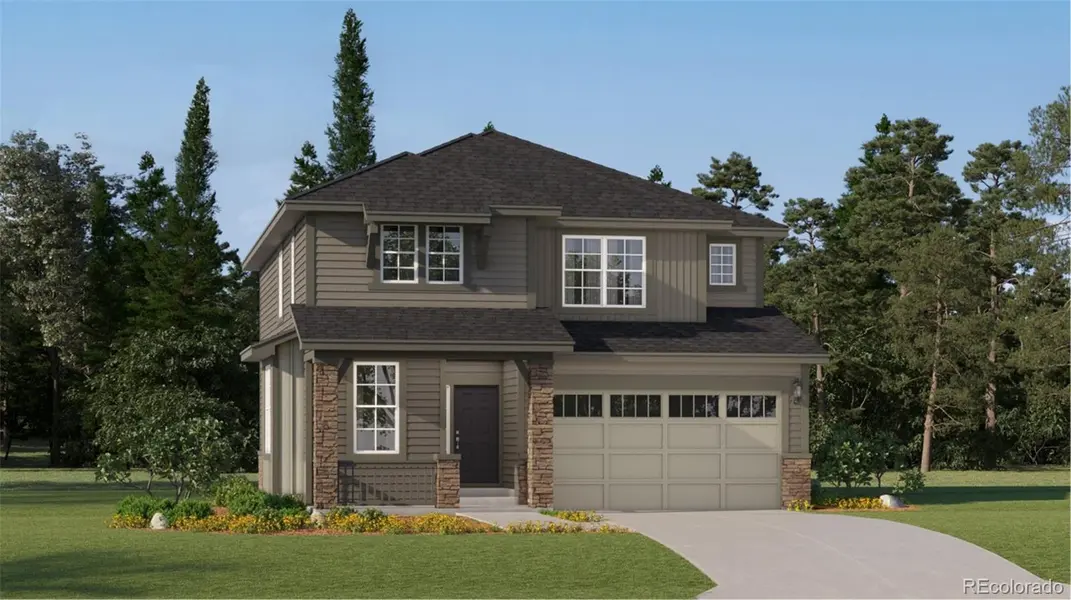 Active
$710,350
4 Beds2.25 Baths3,300 SqFt10809 Tomboy DR, Parker, CO 80134
Single Family Home
MLS# 9614842
Listed by RE/MAX Professionals
- 1/7 7
 Pending
$668,350
3 Beds2.25 Baths2,699 SqFt10810 Tomboy DR, Parker, CO 80134
Single Family Home
MLS# 7160048
Listed by RE/MAX Professionals
- 1/7 7
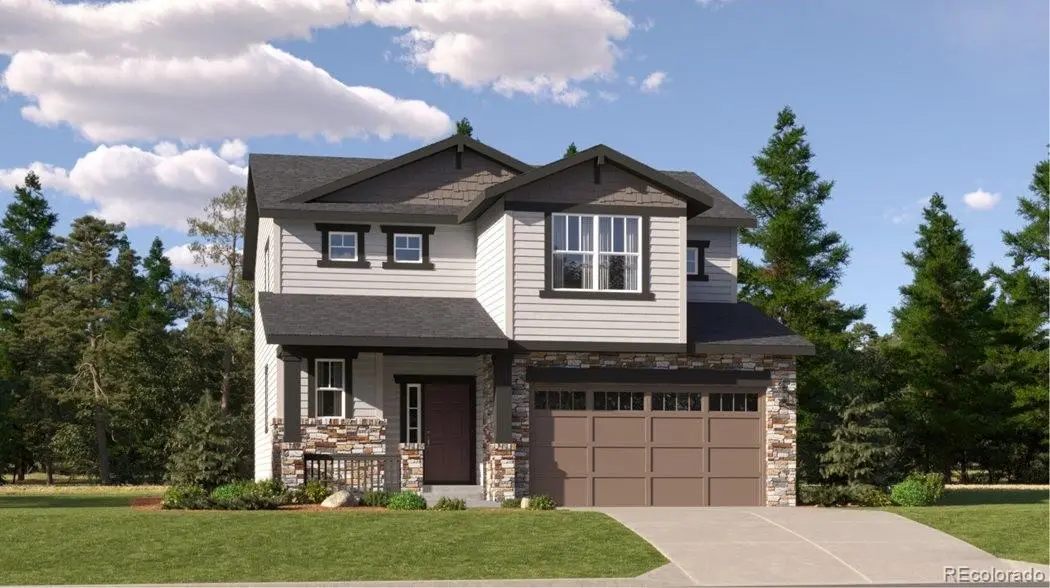 Pending
$690,350
3 Beds2.25 Baths2,954 SqFt10813 Tomboy DR, Parker, CO 80134
Single Family Home
MLS# 4733081
Listed by RE/MAX Professionals
- 1/7 7
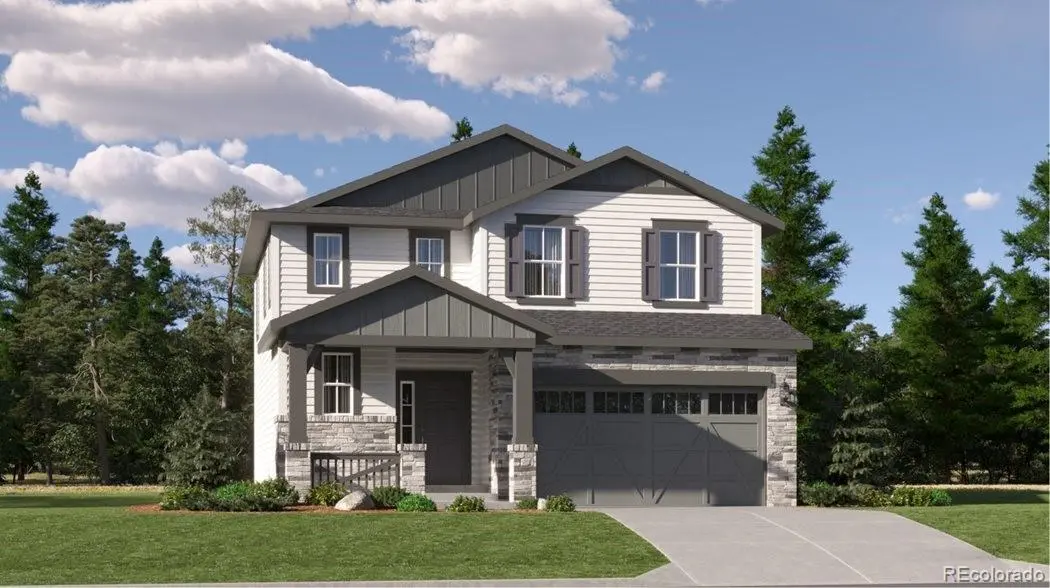 New
New$656,900
3 Beds2.25 Baths2,699 SqFt10825 Tomboy DR, Parker, CO 80134
Single Family Home
MLS# 9329297
Listed by RE/MAX Professionals
- 1/4 4
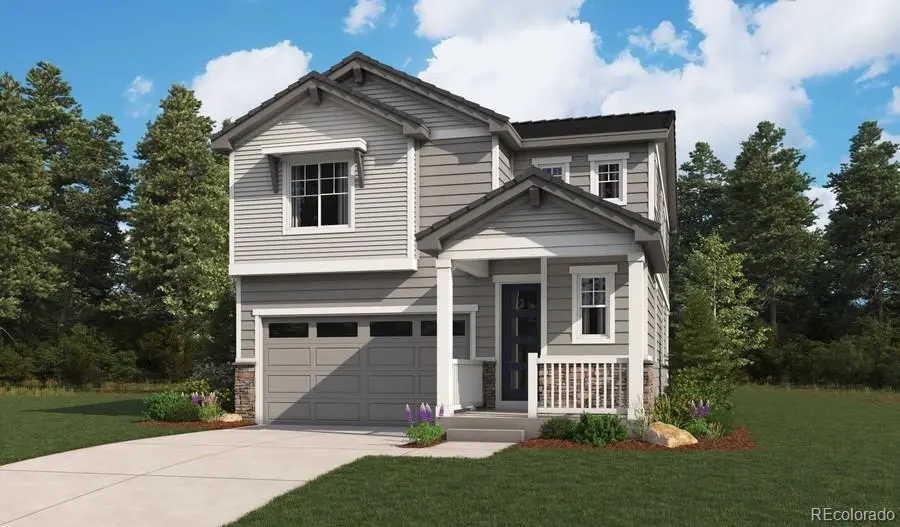 Pending
$724,950
4 Beds3 Baths2,967 SqFt10866 Greenhorn LOOP, Englewood, CO 80112
Single Family Home
MLS# 9668913
Listed by Richmond Realty Inc
- 1/4 4
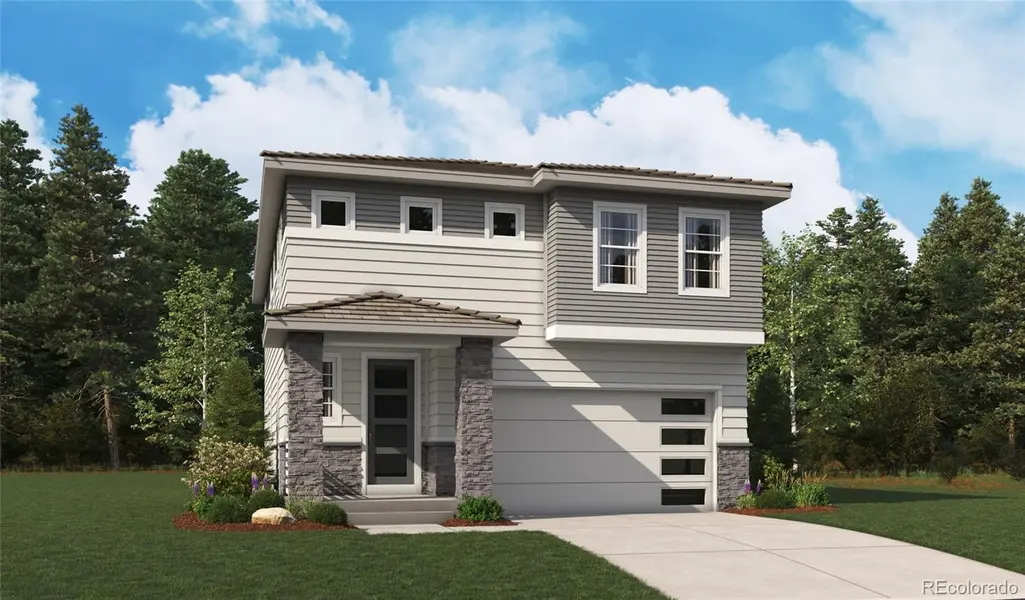 Price Dropped by $15K
$749,950
4 Beds3.25 Baths3,181 SqFt10884 Greenhorn LOOP, Englewood, CO 80112
Single Family Home
MLS# 3580607
Listed by Richmond Realty Inc
- 1/15 15
 Price Dropped by $50K
$690,000
3 Beds2.25 Baths1,855 SqFt10904 E Hinsdale CIR, Centennial, CO 80112
Single Family Home
MLS# 7534696
Listed by Coldwell Banker Realty 56
- 1/4 4
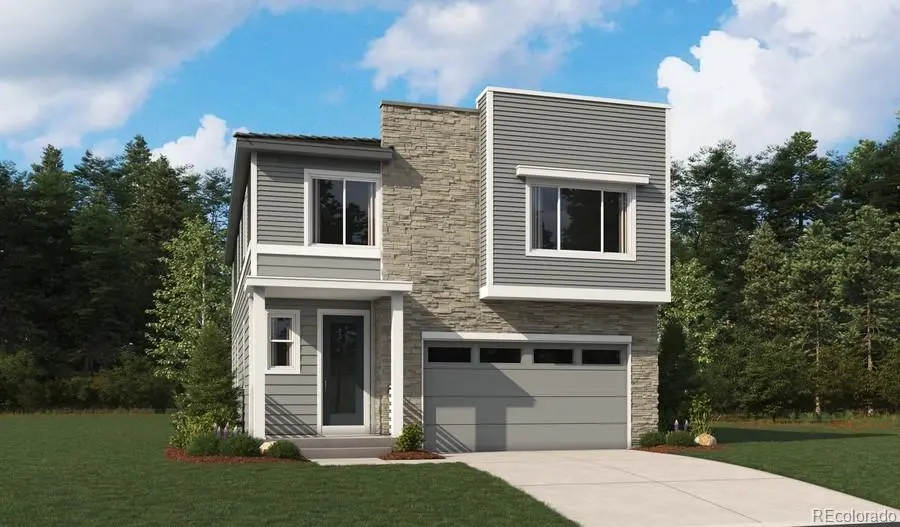 Pending
$759,950
4 Beds3.25 Baths3,324 SqFt10920 Greenhorn LOOP, Englewood, CO 80112
Single Family Home
MLS# 4052099
Listed by Richmond Realty Inc